

Black cars are a trap. They look incredible when clean. And they show every fingerprint, water spot, and swirl mark within about six hours of being detailed. Anyone who has owned a black Mercedes or BMW knows this.
Professional chauffeur operations deal with this problem at scale. A fleet running five S-Class sedans in daily corporate transfer use cannot afford a car that looks rough on pickup. The passenger walking out of a Frankfurt boardroom notices. So does the hotel doorman. So does the client’s assistant who booked the ride.
The detailing standards these companies apply are worth understanding, because they are not complicated. They are just consistent.
Why Black Paint Is Harder Than Any Other Color
Dark paint hides nothing. Surface scratches that would be invisible on silver or white show up as gray swirl marks on black. Hard water leaves calcium deposits that catch light at every angle. Even a clean microfiber cloth, used with the wrong technique, can leave marks.
This is physics, not bad luck. Dark paint absorbs more light and reflects less of it. When a surface is not perfectly smooth, the irregular reflection becomes visible. On a white car, the same imperfection scatters light and disappears. On a black car, it stays.
That is why the detailing process for black vehicles needs to be stricter at every step.
The Fleet Standard: What High-Volume Operators Actually Do
Companies that run luxury transfer fleets on a daily basis typically follow a maintenance cycle built around three levels of care.
After every run: A waterless or rinseless wash with a premium spray detailer and clean microfiber cloths. No contact with dry surface. No single pass covers more than 18 inches of panel before the cloth gets flipped. This removes fingerprints, door handle smudges, and light dust without introducing swirl marks.
Weekly: A full two-bucket hand wash, iron decontamination spray on wheels and lower panels, and a spray sealant reapplication. Takes about 90 minutes per car when done properly.
Quarterly: Paint correction under artificial lighting, clay bar decontamination across all painted surfaces, and a fresh coat of paint protection film touch-up or ceramic coating maintenance. This is where swirl marks from the previous months get removed before they compound.
Fleet operators running vehicles like those used by limousine service across Germany and Europe apply this kind of structured maintenance precisely because their Mercedes S-Class and EQS units are in daily passenger use. There is no option to pull a car for two days of correction work when it is booked every morning. Prevention has to happen continuously.
The Products That Actually Matter
Most of the damage to black paint happens during cleaning, not between cleans. The products used during washing are responsible for more swirl marks than road debris or tree sap.
The critical categories:
Wash soap: pH-neutral, high-lubricity formula. Not dish soap. Not all-purpose cleaner. The suds need to suspend dirt and lift it off the surface, not drag it across the paint. Brands like Koch Chemie, Gyeon, and CarPro produce products specifically formulated for this.
Drying: Twisted loop microfiber drying towels, always used damp and never dragged. Or a touchless blow-dry with a Metro Vac or similar. Air drying is not acceptable on black vehicles used professionally.
Paint protection: Ceramic coating is the standard for fleet operations. It adds hardness to the clear coat, makes contaminants bond less aggressively, and reduces the time needed for each maintenance wash. An SiO2-based coating applied properly will last 18-24 months with regular maintenance washes.
Wheel care: Iron decontamination spray weekly. Black iron particles from brake dust embed into alloy surfaces and cause pitting over time. An iron remover that turns purple on contact makes the contamination visible before it causes permanent damage.
Interior Upkeep: The Part Passengers Actually See
The exterior is what the operator sees. The interior is what the passenger experiences.
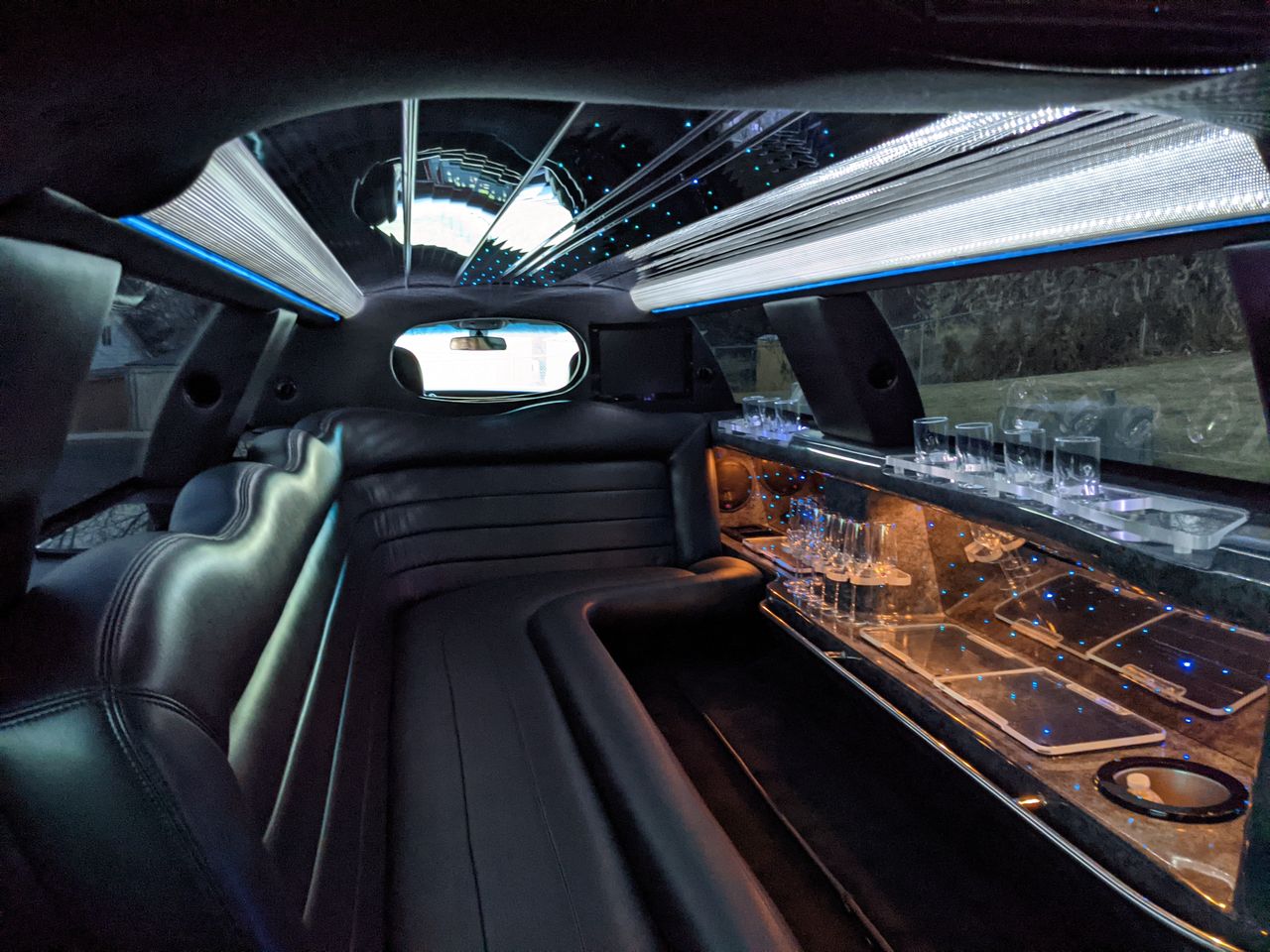
In fleet vehicles running back-to-back corporate transfers, leather seats accumulate body oils, clothing dye transfer, and occasional beverage residue. The industry standard is pH-neutral leather cleaner applied with a soft detailing brush after every two to three rides, followed by a light conditioner coat.
The critical mistake to avoid: over-conditioning. Leather that receives too much conditioner becomes greasy, transfers to dark clothing, and actually attracts more dirt. A thin coat every few cleanings is more effective than heavy application each time.
Glass gets cleaned with an ammonia-free glass cleaner on a folded microfiber cloth. Never circular motion. Straight strokes, panel by panel. Circular motion leaves haze that is visible to a rear-seat passenger looking through the windshield at night.
What Mobile Detailers Can Learn From Fleet Operations
The discipline that professional fleet operators apply to their vehicles comes down to one idea: damage prevention is cheaper than damage repair.
Swirl mark removal requires a machine polisher, correct pads, and 45-90 minutes per panel. A proper wash that prevents those marks takes 15 minutes. The math is simple, but it requires committing to the right technique every single time, not just when the car looks visibly dirty.
If you maintain a black vehicle, whether a personal daily driver or a client’s car, the fleet approach translates directly. Two-bucket wash. Dedicated drying towel for panels versus glass. Iron decontamination every four to six weeks. Ceramic coating renewed annually.
The cars that look flawless in front of a hotel or airport terminal did not get there by luck. Someone followed a process.